Custom software development for businesses held back by generic tools.
Bespoke business software, workflow systems, internal tools, custom CRM development, and integrations built around the way your operation actually works.
We help Lincolnshire and UK businesses replace manual workarounds with software that saves time, gives clearer visibility, and connects the systems the business already depends on.
Software fit check
Start with the bottleneck, then build the smallest useful first phase.
Manual admin
Repeated work that should not live in spreadsheets.
Disconnected systems
Data copied between tools instead of flowing once.
Poor visibility
Reports and status updates that take too long to trust.
Map
Current process
Build
First useful phase
Improve
Support after launch
Where custom software helps
Businesses search for custom software when the current tools are costing them.
The strongest projects usually start with an operational problem, not a feature wishlist.
Your team is copying data between spreadsheets, emails, CRMs, accounts tools, or old systems.
The business process only works because one or two people know the workaround.
Off-the-shelf software nearly fits, but the gaps are now costing time, accuracy, or control.
Reporting, approvals, quoting, job tracking, stock, or customer updates still need too much manual effort.
What We Build
Bespoke software can be small and focused, or become the system the business runs on.
Workflow software
Tools that move jobs, enquiries, approvals, documents, or tasks through the right stages without relying on memory and manual chasing.
Internal tools and dashboards
Staff-facing systems for tracking work, viewing operational data, managing records, and replacing fragile spreadsheets.
Custom CRM and system integrations
Software that connects CRM, ERP, ecommerce, finance, bookings, or internal platforms so data does not need re-entering.
Bespoke business systems
Longer-term platforms for businesses that need a controlled system around their own process, rules, users, and data.
Custom software is worth exploring when
The same manual process happens every week.
Disconnected tools create delays, mistakes, or duplicate entry.
A better system would save measurable staff time or protect revenue.
The process is important enough that generic tools keep creating compromise.
Custom software may not be the first move when
A standard SaaS tool already solves the problem well.
The workflow is not defined clearly enough yet.
The process rarely happens or has little commercial impact.
A simple integration, automation, or website form would solve the issue.
Proof and Context
The value is usually in the process behind the screen.
Good custom software removes operational friction: orders move, stock syncs, records update, users know what to do next, and the business has a clearer view of what is happening.
Less duplicated data entry and fewer spreadsheet workarounds.
Clearer ownership of jobs, records, approvals, or customer requests.
Better reporting from one controlled source of truth.
A system that can grow in phases instead of forcing a full rebuild later.
More reliable integrations between the tools the business already depends on.
A practical support route after launch, including monitoring and maintenance.
Useful Examples
Orderwise and Shopify integration
A custom integration that removed manual order and stock handling between ecommerce and ERP.
Booths supermarket child store
A complex retail build around synced Shopify structure, bespoke branding, and shipping rules.
Custom software vs off-the-shelf
A practical decision guide for businesses comparing SaaS tools with bespoke development.
Delivery Journey
A sensible software project starts narrow, proves value, then grows in the right direction.
Map the current process
We identify the real workflow, the manual steps, the systems involved, and where time, money, or accuracy is being lost.
Choose the smallest useful first phase
The first build should solve a meaningful problem without trying to become a giant platform on day one.
Design around users and data
Permissions, dashboards, forms, records, integrations, and reporting are shaped around the people who actually use the system.
Launch, monitor, and improve
Once live, the system can be supported, monitored, and extended as the business learns what creates the most value.
Support and Monitoring
Bespoke systems need ownership after launch.
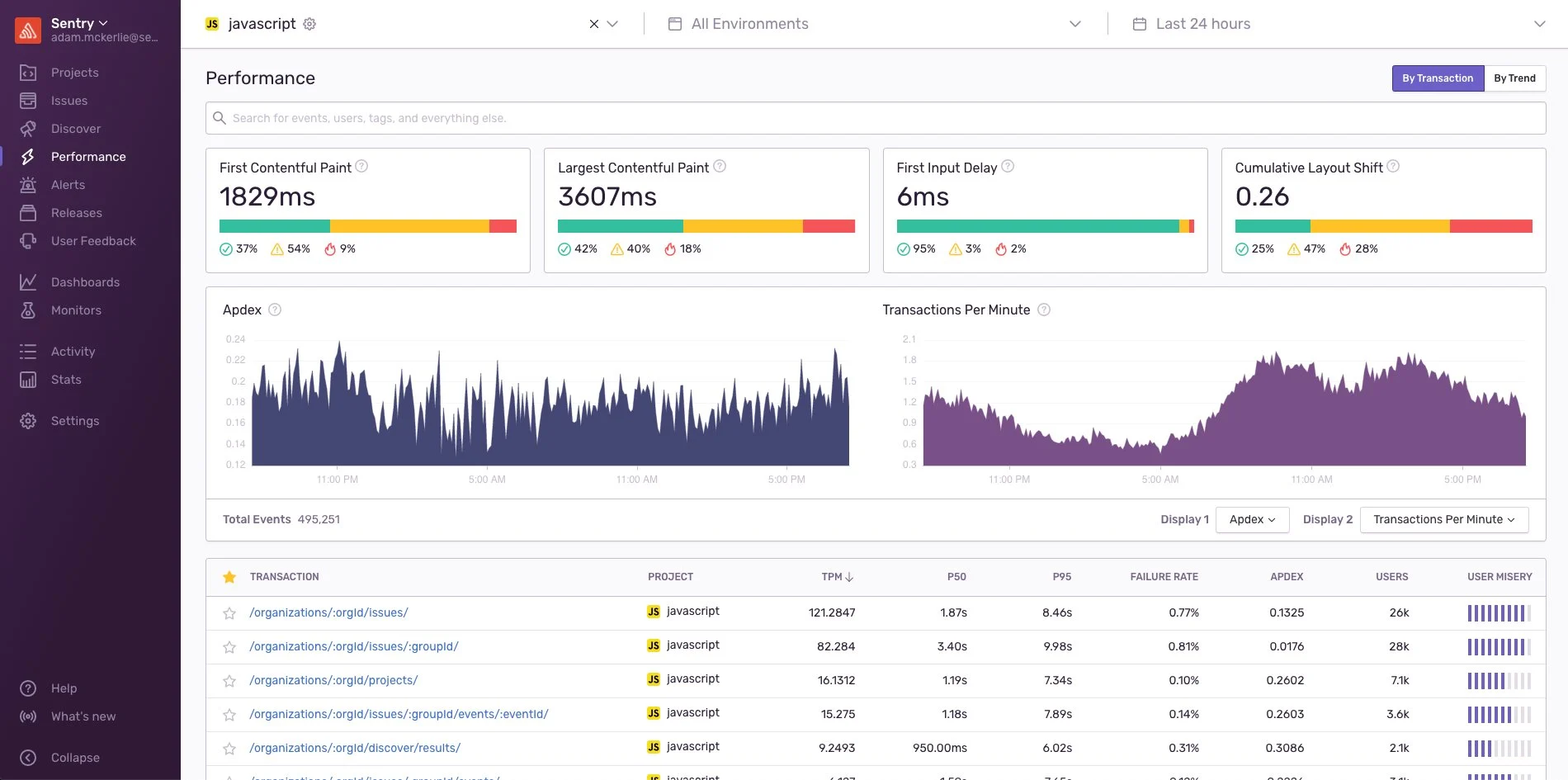
Once software becomes part of day-to-day operations, reliability matters. We can support the application, monitor errors and performance, and improve the system as the business changes.
Errors
Spot failures with context.
Performance
Watch slow actions and bottlenecks.
Maintenance
Keep the system healthy over time.
Related Services
Custom software often sits next to portals, integrations, automation, and local support.
Custom software in Lincoln
Local bespoke software support for Lincoln businesses that have outgrown spreadsheets, manual admin, or disconnected systems.
Web applications
Customer portals, staff dashboards, booking tools, and browser-based workflows for users who need to complete tasks online.
Platform integrations
CRM, ERP, ecommerce, finance, logistics, and back-office integrations where data needs to move reliably.
Process automation
Workflow automation for repeated admin, approvals, reports, reminders, handoffs, and operational bottlenecks.
Custom Software Development FAQs
Common questions from businesses comparing bespoke software, internal tools, integrations, and off-the-shelf systems.
Custom software development means building software around a business process instead of forcing the business to fit a generic product. It can include workflow software, bespoke business systems, internal tools, dashboards, portals, integrations, or custom CRM-style systems.
It is worth exploring when off-the-shelf tools create too many workarounds, when staff are repeatedly copying data between systems, when reporting is fragile, or when the process is important enough that a better system would save measurable time or reduce risk.
Yes. We can build custom CRM-style tools, internal dashboards, workflow systems, quoting tools, operational databases, customer portals, and integrations with the systems your business already uses.
Yes. Many custom software projects are valuable because they connect existing platforms such as CRMs, ERP systems, accounting tools, ecommerce stores, booking systems, spreadsheets, or internal databases.
Yes. Delaney Industries is based near Sleaford and works with businesses across Lincolnshire, including Lincoln, Boston, Grantham, Spalding, and wider UK clients where the project is a good fit.
Still have questions?
Get in TouchNeed software built around the way your business actually works?
Tell us what is slowing the team down. We can help decide whether you need a custom build, a smaller integration, automation, or a better route through existing tools.